
At 6:41, a spelling list sits beside the cereal bowl and nobody wants the morning to turn into a fight. Kids ages 5-8 do better when practice feels short, specific, and possible.
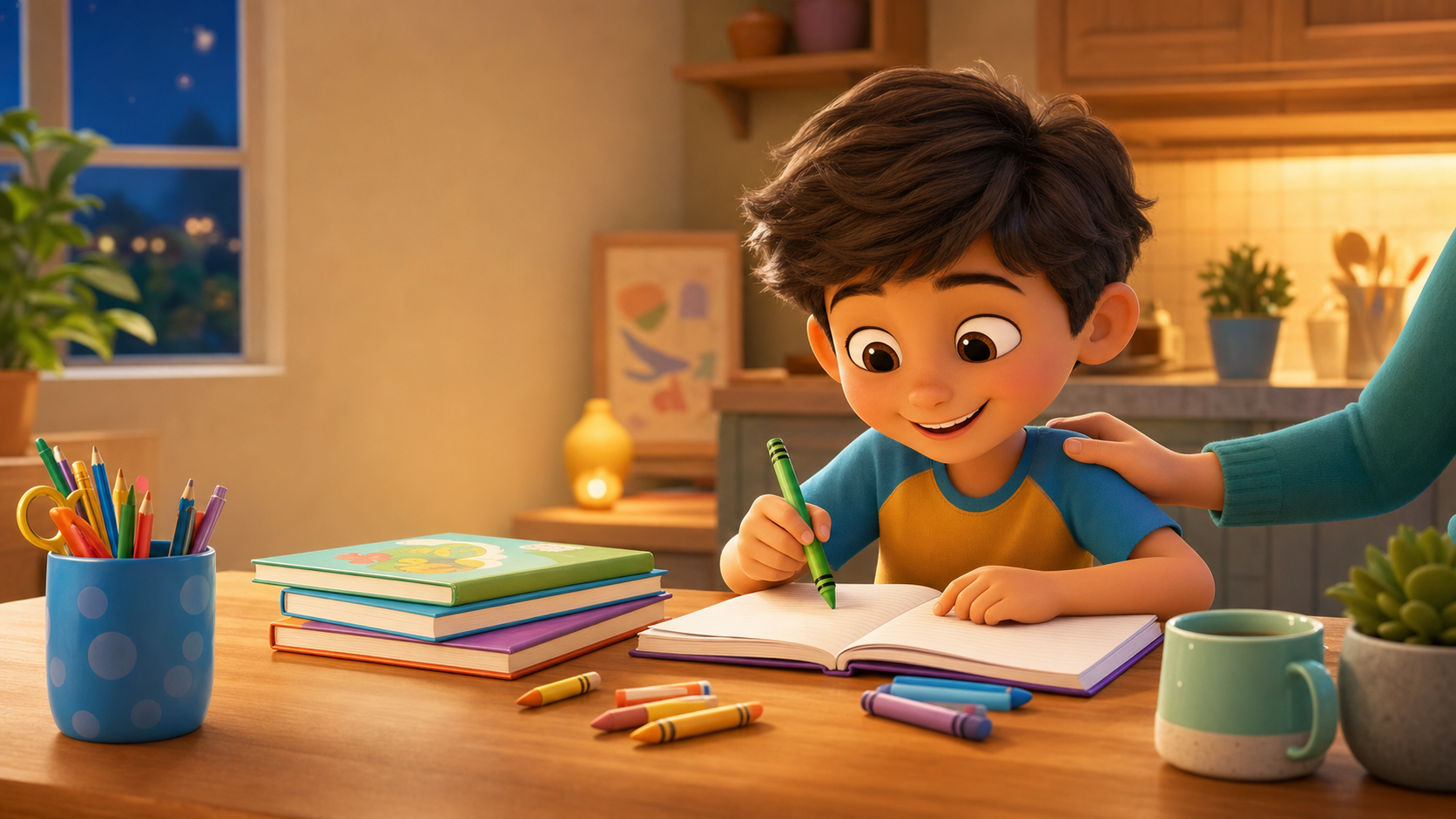
Good grades start long before the report card. For kids ages 5-8, the useful work is usually smaller. Read one page, try three words, sort one backpack pocket, or ask for help before frustration takes over.
That kind of practice feels less dramatic than a big study plan, but it is easier to repeat on a busy school night.
Start With the Smallest Study Step
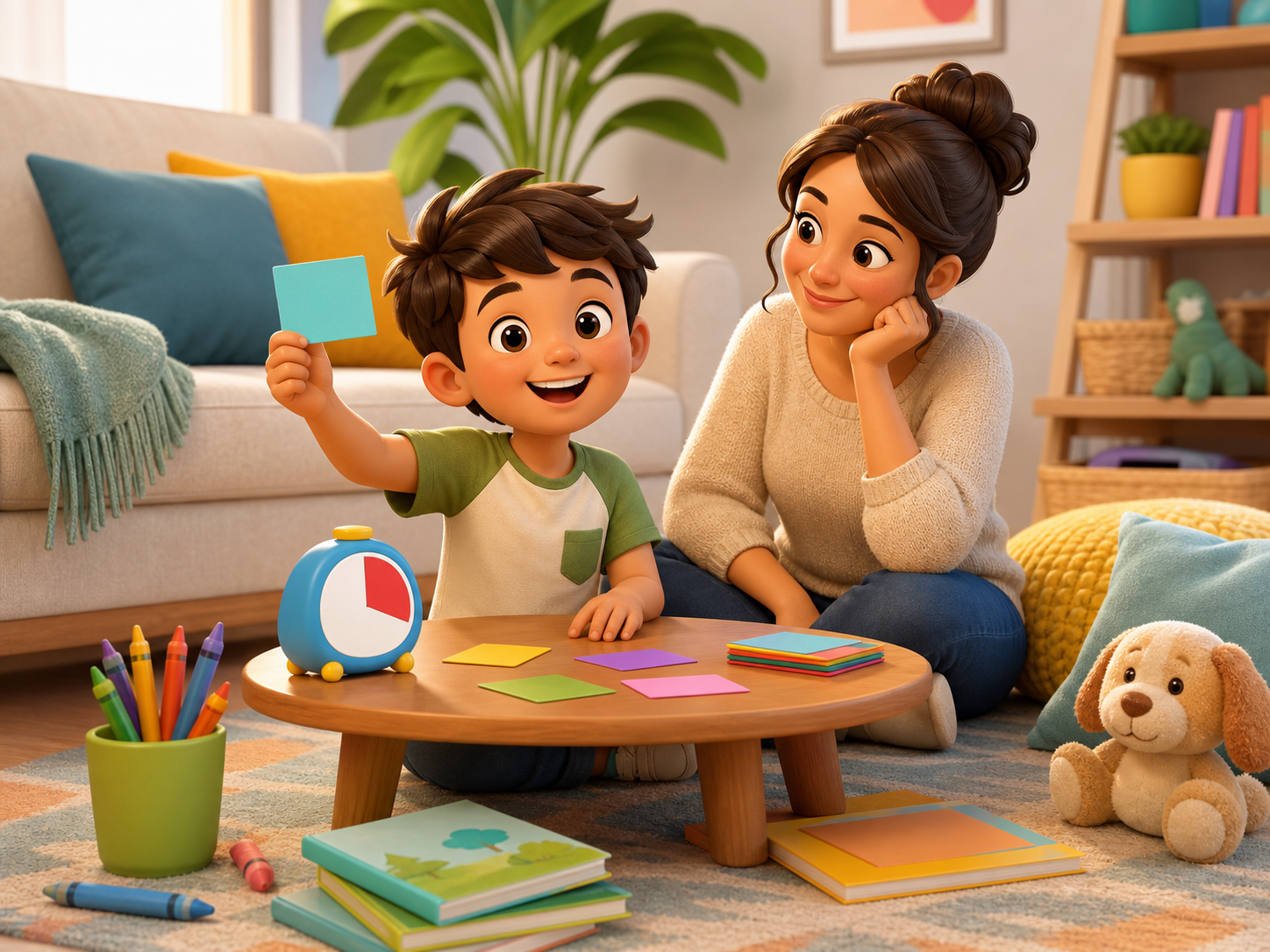
When a child hears “go study,” the job can feel too big to begin. A smaller routine tells them exactly what to do first, especially after a long day when attention is thin.
Try naming the task in kid language. Instead of “study spelling,” say, “Read three words, cover them, and try one from memory.” Instead of “do better in reading,” say, “Read one page and tell me the funniest thing that happened.”
Make Practice Feel Possible at Home
Use a ten-minute school confidence routine with one warm-up, one practice step, and one quick win.
- Warm up with one easy question your child can answer.
- Practice three words, one math fact family, or one short reading page.
- End with a tiny win they can name out loud.
If your child gets frustrated, shrink the task again. One correct word or one careful sentence is still progress on a hard day.
Try a One-Thing Confidence Check
Teachers can use a “show one thing you know” check before independent work.
- Ask students to write or draw one thing they remember from yesterday.
- Let partners explain their answer in one sentence.
- Invite students to circle one word they want to practice again.
- Move into the lesson with that word or idea already active.
This gives students a confidence step before the harder part begins.
When Homework Turns Frustrating
Word Ninja can make vocabulary review feel more like a quick challenge than a worksheet. Storyteller can turn a school-day problem into a 10-page illustrated read aloud where kids choose the hero, villain, setting, and genre.
Turn Practice Into a Repeatable Loop
A useful grade routine has a beginning, a middle, and an ending the child can name. At the table, that might sound like, choose one worksheet row, read the first direction out loud, solve two problems, then tell what felt easy and what felt tricky. The loop matters because it gives kids ages 5-8 a shape they can repeat tomorrow.
KidNation can sit beside that pattern without turning the evening into another lecture. Word Ninja gives vocabulary practice a clear play frame, so a child can hear a word, say it, and use it before returning to homework. Storyteller adds a creative break when attention shrinks. A child can choose a hero, a villain, and a 10-page story with read aloud, then come back to the study task with a calmer body.
What Grown-Ups Should Notice
The best clue is not always the score at the top of the page. Watch how the child enters the work. Do they open the backpack without a long argument? Do they point to the direction instead of guessing? Do they recover after one missed answer? Those small signs tell parents and teachers whether the routine is becoming familiar.
If the child gets stuck, shrink the loop. One spelling word, one math fact, one sentence, or one flashcard is still practice. A profile for each child keeps the grown-up from mixing siblings, grade levels, and interests into one pile. That matters on hard days, because the right next step should feel personal, not random.
Keep the Win Visible
End with a short review the child can say out loud. I finished the first row, remembered three words, and asked for help before frustration took over. The sentence does not need to be fancy. It needs to be true enough that the child can believe it.
Teachers can use the same pattern before a quiz. Ask students to name one word they know, one word that still feels wobbly, and one action they will try first. At home, families can put that same language beside the pencil cup or backpack. The goal is a practice habit that feels steady, even when the grade itself takes time to change.
Connect School Feedback to One Home Action
A note from school can feel too big when it lands at 6:00 p.m. Instead of trying to fix every comment, choose one home action that matches the teacher’s feedback. If the teacher mentions rushed reading, the home action might be reading the direction twice. If the teacher mentions missing work, the action might be checking the backpack pocket before dinner.
That single bridge keeps the child from feeling buried by grown-up concern. It also gives parents a clear way to respond without guessing. When the next school day arrives, the child can name the one action they practiced, which makes the handoff between home and classroom feel calmer.
FAQ
How can parents help with grades without adding pressure?
Keep the routine short, name one exact task, and end with one thing the child did correctly. Pressure usually grows when the goal is vague or too large.
What if homework time turns into frustration?
Pause and choose the smallest useful step. Read one line, solve one problem together, or practice one word before trying the full task again.
Can teachers use this before a quiz or worksheet?
Yes. A one-minute confidence check helps students remember what they already know before they begin independent work.