
A child opens a notebook on the rug, writes the word brave, and whispers it like a secret mission. Word Ninja should make that word easier to use again.
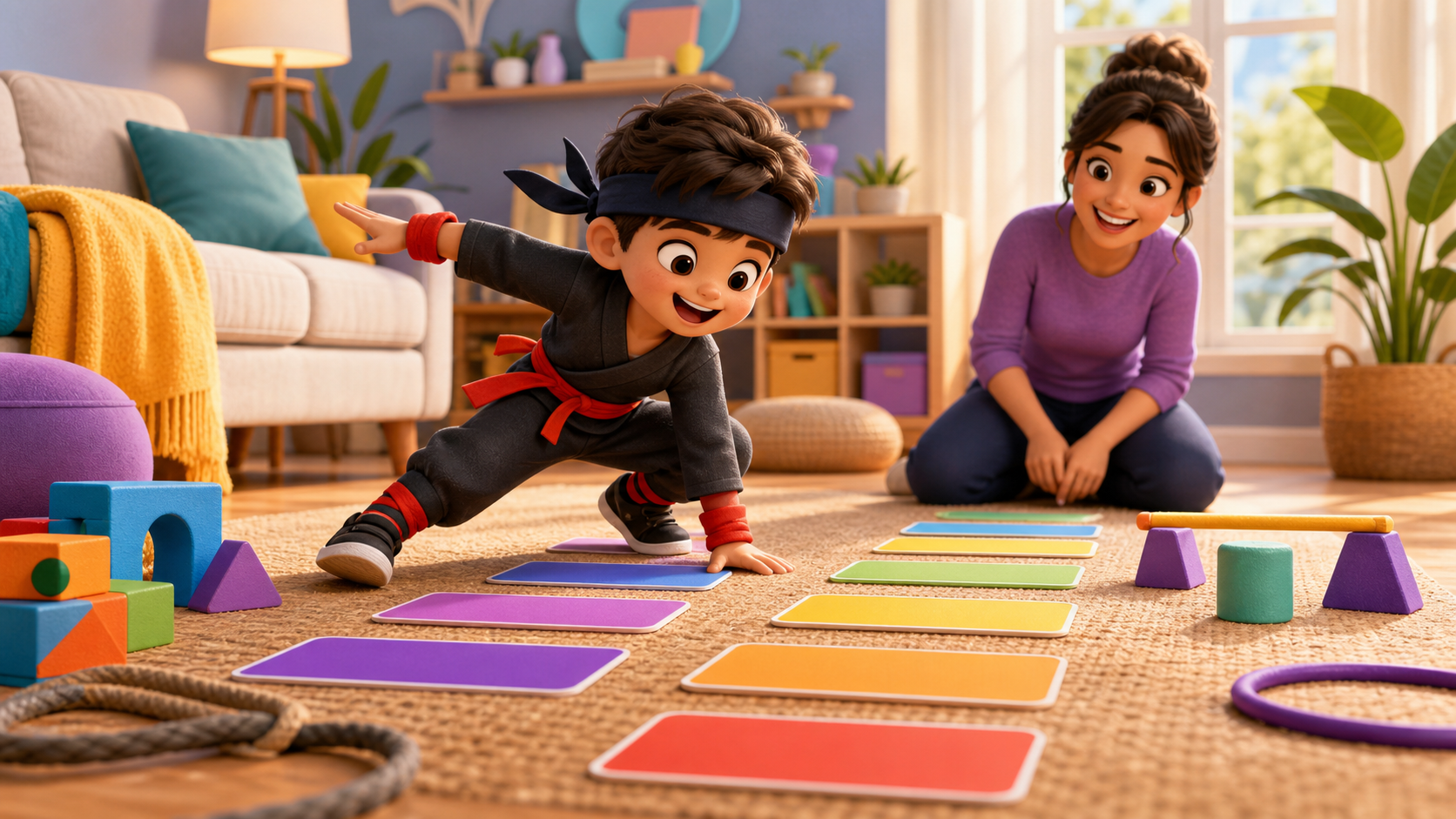
A Word Game on the Rug
A child opens a notebook on the rug, writes the word brave, then whispers it like a secret mission. That is the kind of small language moment Word Ninja should protect.
KidNation’s Word Ninja angle is vocabulary practice through play. For kids ages 5-8, a word should move quickly from screen to mouth, hand, pencil, or partner talk.
When Practice Falls Apart
Vocabulary games for kids can get wobbly when the game becomes only tapping. A child may remember the score and forget the word. Another child may freeze when asked to say the word aloud.
Use one keeper word after the game. Ask your child to say it, act it, draw it, or use it in a sentence at breakfast. If the first answer is silly, let it stand. Silliness often gives the word a place to stick.
- Pick one keeper word after Word Ninja.
- Use it in a sentence with a real object nearby.
- Ask your child to teach the word to someone else.
Try This at Home with One Word
At home, choose one Word Ninja word and put it on a sticky note near the kitchen table. During snack, ask your child to use the word in a sentence about something in the room.
Storyteller can extend the same word later. Ask your child to place the keeper word inside a story with a hero and a villain, then read aloud the sentence that uses it best.
Classroom Partner Routine
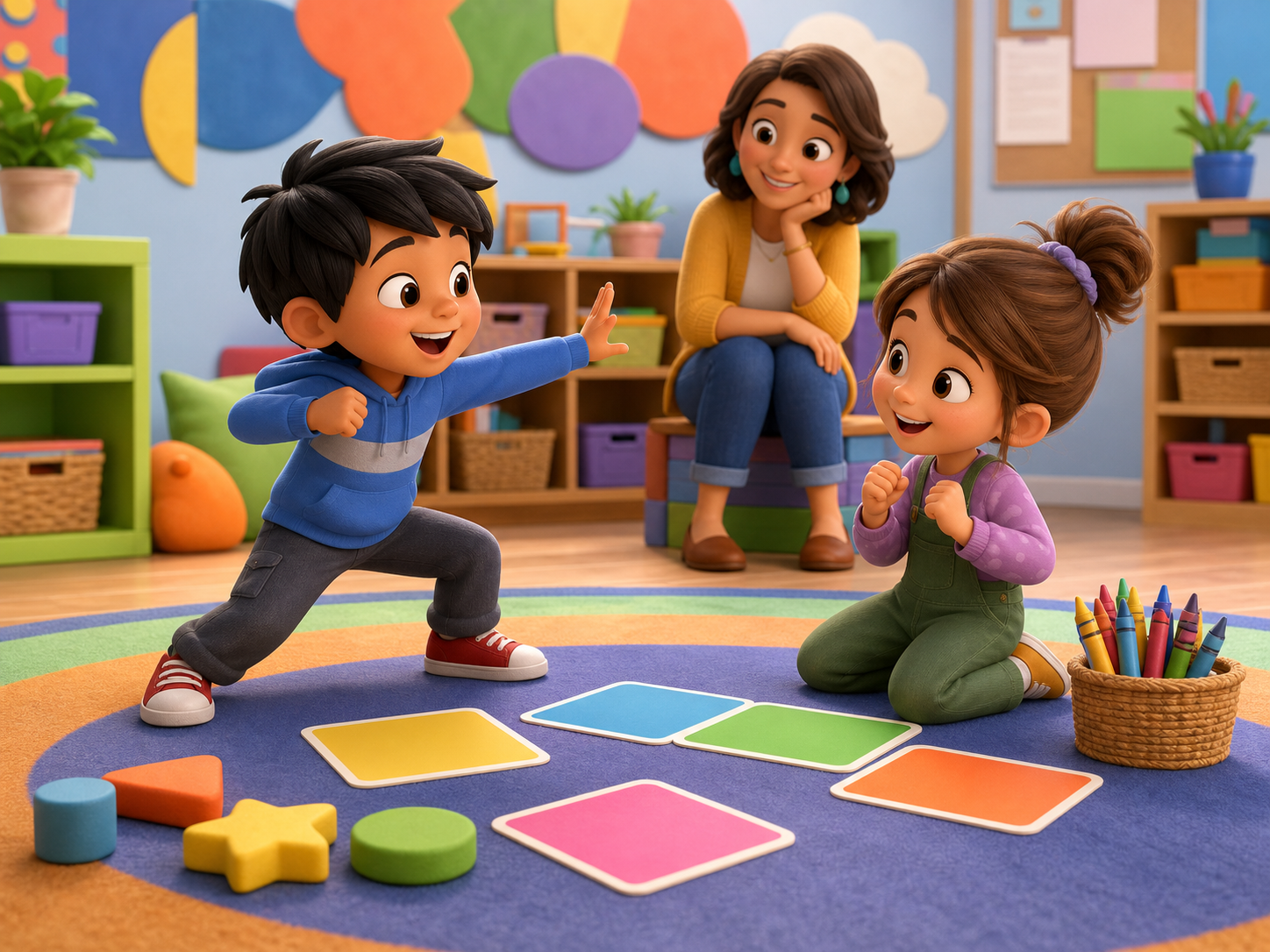
In class, teachers can use a one-word partner routine. Students hear the vocabulary word, show a tiny gesture for it, then tell a partner where the word might appear in a story, hallway, playground, or science table.
This keeps the game from becoming isolated. Students practice listening, speaking, and choosing an example. The teacher also gets a quick read on who understands the word and who needs another model.
How KidNation Features Connect
Word Ninja gives the vocabulary moment a playful entry point. Storyteller gives the word a story path with a hero, a villain, a 10-page structure, and read aloud time.
Profiles give families a child-centered place to return without rebuilding the routine from scratch. The review question is simple. Does the word leave the game and enter the child’s real language?
Move the Word Into the Room
A vocabulary word sticks better when the child can touch, point, act, or sort. If the word is enormous, the child can stretch arms wide. If the word is cautious, the child can take three slow steps. If the word is compare, two objects can land on the table side by side.
KidNation Word Ninja gives that practice a playful center. Kids ages 5-8 get a word challenge that feels active, not like a list copied from the board. Storyteller can carry the same word into a hero and villain moment inside a 10-page story with read aloud, which gives the child another reason to hear and use it.
Keep the Game From Becoming Only Tapping
Word games work best when the screen moment turns into a spoken moment. After a round, ask the child to use the word in a silly sentence, a serious sentence, and a sentence about the room. The variety keeps the practice from getting stuck in one lane.
If the child is frustrated, remove the extra choices. Pick one word and one action. Say the word, act the word, then use the word in a sentence about the room. A child profile lets grown-ups keep the next practice matched to the learner, so one child can repeat a tricky word while another moves on to a new one.
Give the Word a Second Audience
A word becomes stronger when someone else hears it. At home, the child can teach the word to a sibling at the kitchen table. In class, partners can trade words before lining up. The second audience gives the child a reason to speak clearly and check meaning.
When practice falls apart, the grown-up can name the repair. We lost the word, so let’s find it again. The child can point to a picture, act the meaning, or choose a sentence starter. The routine stays light, but the learning remains specific.
Choose Words That Belong to the Day
Vocabulary practice feels stronger when the word has somewhere to go. Before school, choose a word that fits the backpack, bus, desk, or playground. Before bedtime, choose a word that fits a story, blanket, shadow, or dream. The child hears that words are not only quiz items. They are tools for describing real life.
Teachers can use the same idea with a class anchor word. One word can move through morning meeting, partner talk, and a quick exit sentence. If students get stuck, return to the object or action that started the word. Meaning becomes easier to find when it has a place to stand, and the child has a clearer reason to use the word again later during reading or play.
FAQ
How many words should kids practice at once? One or two words are enough for a short review moment.
What if a child guesses and gets frustrated? Give a model sentence first, then let the child change one part.
What makes this a KidNation topic? KidNation connects Word Ninja, Storyteller, profiles, and creative activities in a parent-reviewable space for kids ages 5-8.