
KID-FRIENDLY ACTIVITY GUIDE
A Neighborhood Shape-Spotting Walk for Kids
Finding circles, rectangles, triangles, and ovals on a familiar walk turns everyday surroundings into a careful observation activity.
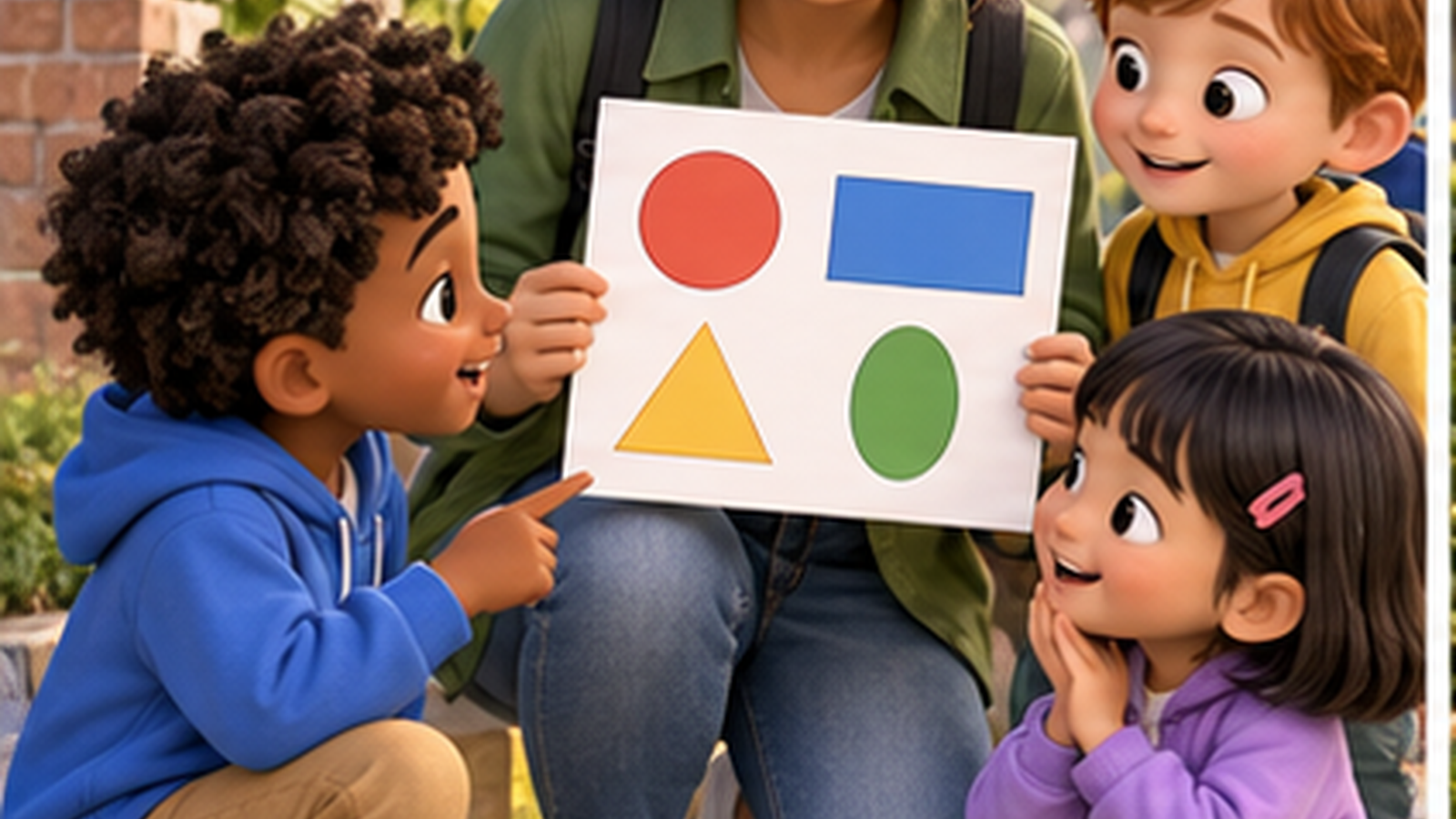
A Neighborhood Shape-Spotting Walk for Kids can turn a familiar part of the day into a short, purposeful activity. The goal is not perfect performance. It is to give children ages 5-8 a clear way to notice, try, talk, and build confidence with adult support.
Choose a familiar safe route
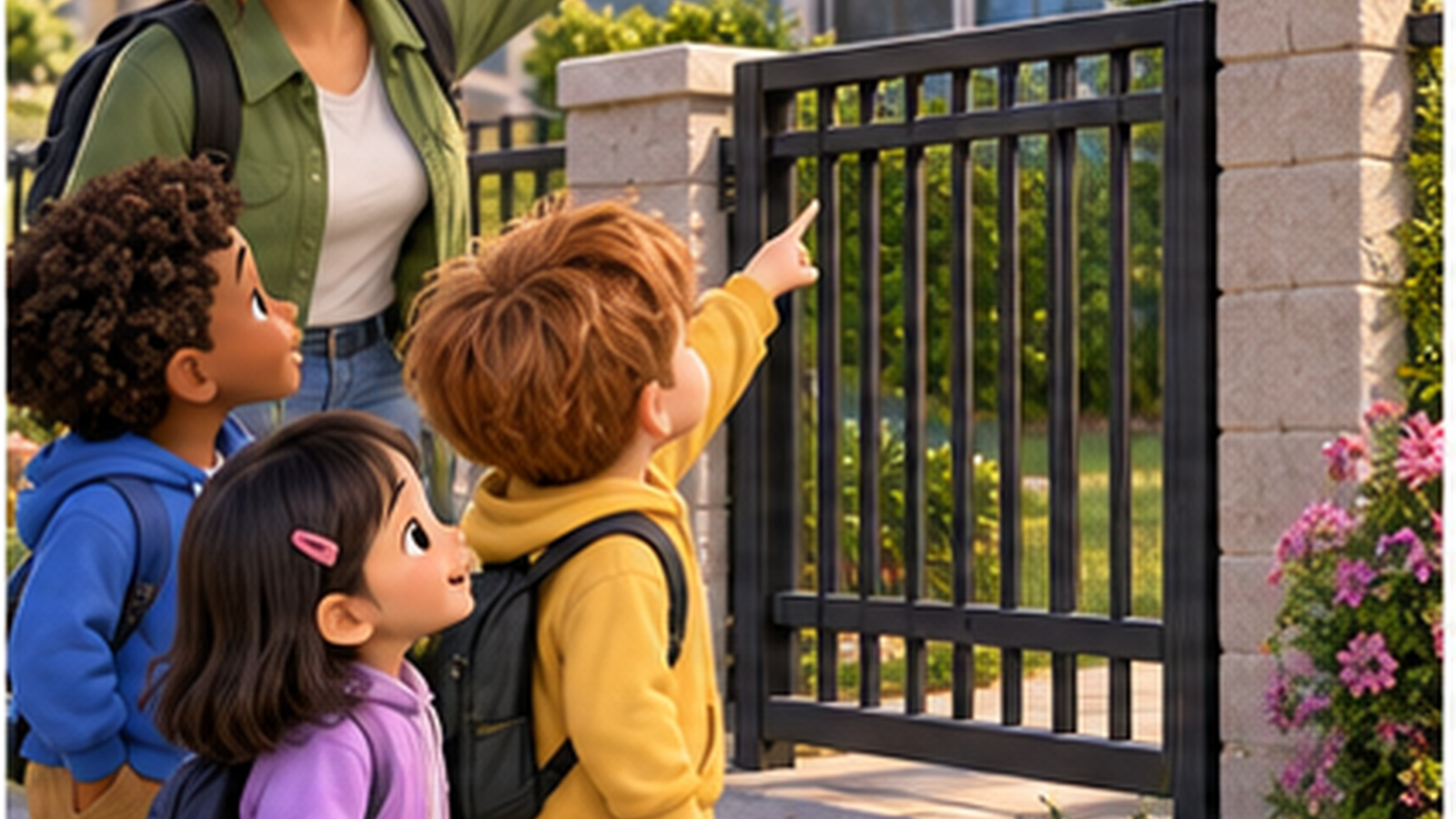
An adult selects a permitted sidewalk or park path away from construction, heavy traffic, and unsafe weather.
Review a few basic shapes
Look at simple circle, rectangle, triangle, and oval examples before walking. The card is a guide, not a score sheet.
Spot shapes without touching
Notice signs, windows, roofs, gates, leaves, or paving from the public path. Do not enter private property or approach traffic.
Pause to sketch
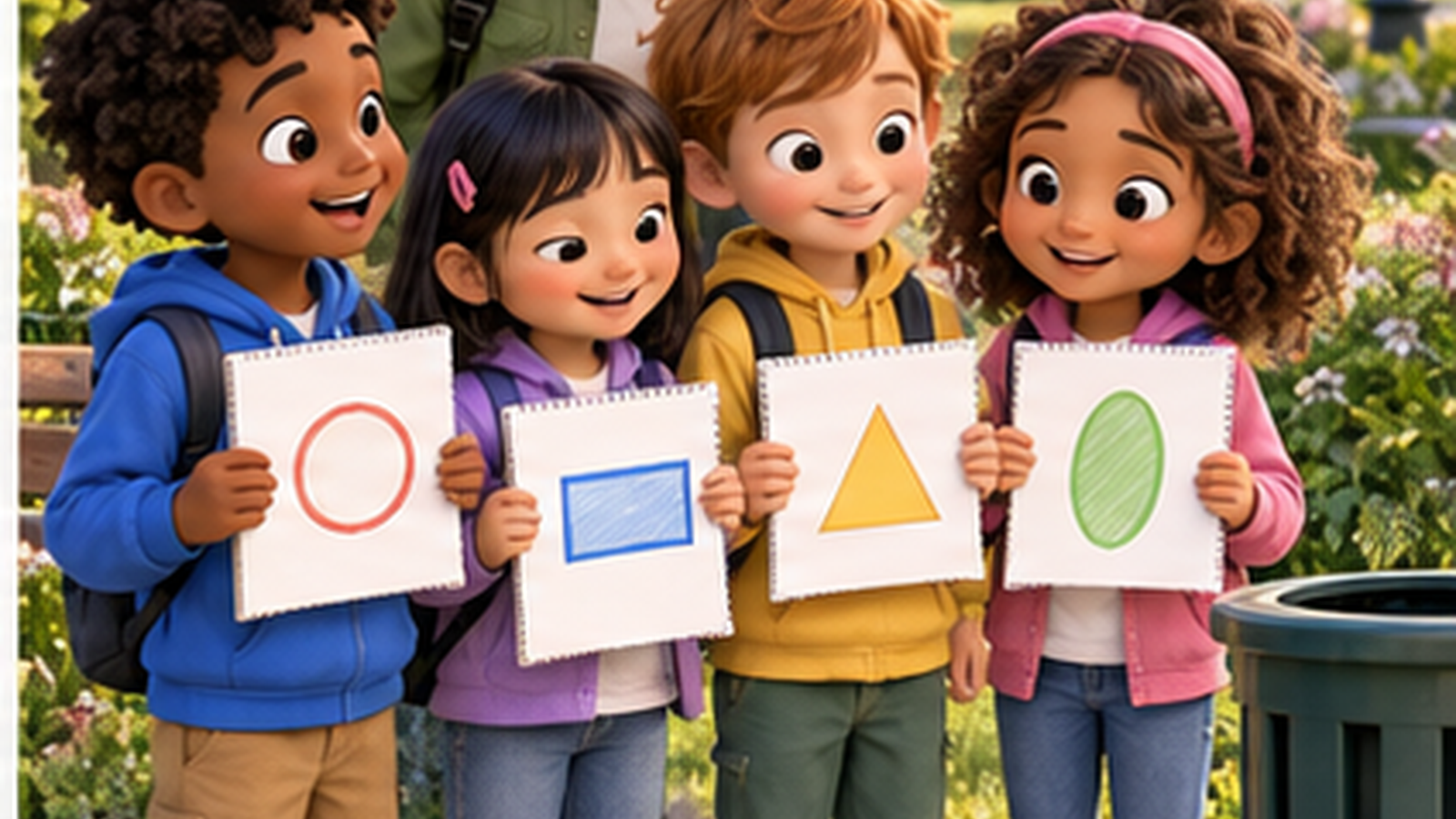
Sit at a safe bench or return home to draw three shapes. Children can add where they noticed each one.
Compare different observations
Talk about shapes that looked similar or surprising. Keep all materials with you and leave the route as you found it.
Before you begin: set the activity up for success
Choose a familiar public route and check the weather before leaving. Review only three or four basic shapes, place drawing materials in a small bag, and agree that everyone stays with the adult on permitted sidewalks or park paths. Shapes are observed from a safe distance without touching signs, gates, plants, vehicles, or private property.
Show rather than over-explain. Demonstrate the first action, use the same key words the child will hear during the activity, and then hand over the turn. Children ages 5-8 often understand more once their bodies and hands are involved. If they hesitate, offer two concrete choices instead of adding a long string of directions.
Helpful words adults can use
Try language that keeps attention on noticing and effort: Show me what you noticed. Which part would you like to try first? What changed that time? Would you like help or another moment? These prompts support the main goal: finding circles, rectangles, triangles, and ovals on a familiar walk turns everyday surroundings into a careful observation activity.
Avoid turning the activity into a surprise test. Questions such as Don’t you know this? or Why did you do it that way? can make children defend an answer instead of exploring it. When something does not work, describe what happened in neutral words and invite a new attempt. Adults can model flexibility by changing their own idea, laughing gently at a harmless mistake, and naming what they learned.
What progress can look like
Progress may be quiet. A child might stay with the activity for one more turn, use a clearer word, remember part of the sequence, ask for help, or suggest a variation. Those are useful signs of growing confidence. The emotional path for this activity is curious to observant to satisfied; it does not need to happen in one session.
Notice one specific action instead of offering broad praise. You might say, You looked again before you chose, You slowed your body down, or You told me what you needed. Specific feedback helps children connect their effort with the result. It also gives them language they can use the next time.
Ways to adapt for different children and settings
Use one target shape at a time if scanning the whole environment feels overwhelming. A child may point, describe, or photograph nothing at all; an adult can remember the finds for drawing later at home.
For more challenge, compare a flat drawn shape with a three-dimensional object or notice shapes inside other shapes. Keep the focus on observation rather than counting the most finds.
Common snags and gentle fixes
The route becomes busy
Move to a quieter permitted area or end the walk. Shape spotting never takes priority over traffic and personal safety.
Children disagree about a shape
Ask what lines or curves each person notices. Some real objects can reasonably suggest more than one shape.
A child wants to enter or touch something
Stay on the public route and choose a different object that can be observed without approaching it.
Questions to use after the activity
- What felt easy, and what needed more time?
- What did you notice that you did not expect?
- Which part would you keep the same next time?
- What would you change if you designed the next round?
- How could you explain this activity to someone else?
Choose one or two questions, not the whole list. The conversation should help the child organize the experience, not turn the ending into an interview. The adult’s practical takeaway is simple: walk with an adult, stay on permitted sidewalks, avoid traffic and private property, and observe without collecting or touching.
A quick way to begin
- Prepare only the few materials needed for one short round.
- Show the first action and describe it in one sentence.
- Let the child try, then ask what they noticed.
- Repeat or change one detail based on their response.
KidNation takeaway
Walk with an adult, stay on permitted sidewalks, avoid traffic and private property, and observe without collecting or touching.
Find more kid-friendly activity guidance at kidnation.com.