
KID-FRIENDLY ACTIVITY GUIDE
A Picture Morning Routine for Kids Ages 5-8
A short visual sequence helps children see and complete the next morning step.
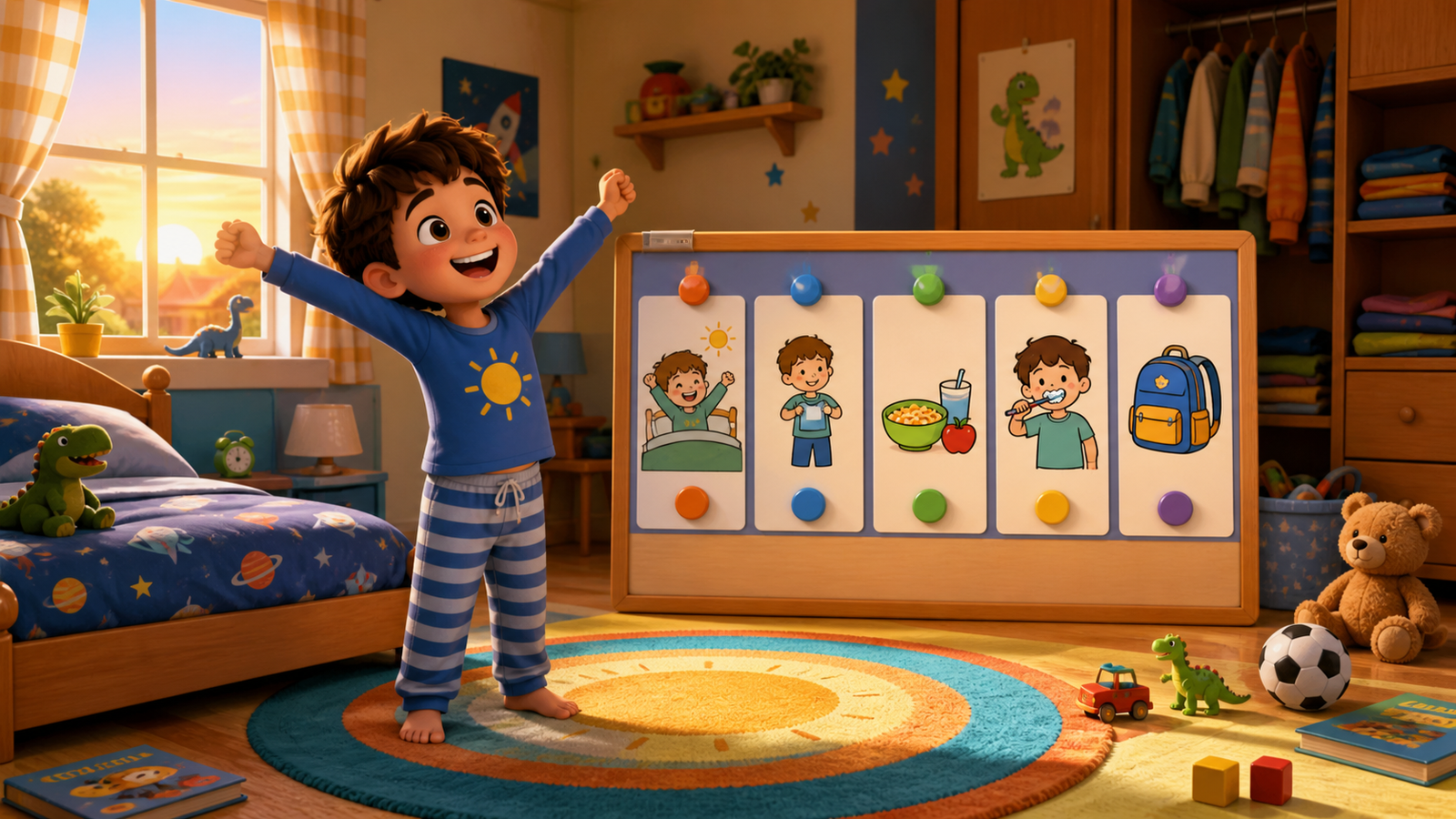
A Picture Morning Routine for Kids Ages 5-8 can turn a familiar part of the day into a short, purposeful activity. The goal is not perfect performance. It is to give children ages 5-8 a clear way to notice, try, talk, and build confidence with adult support.
Why pictures can make mornings feel lighter
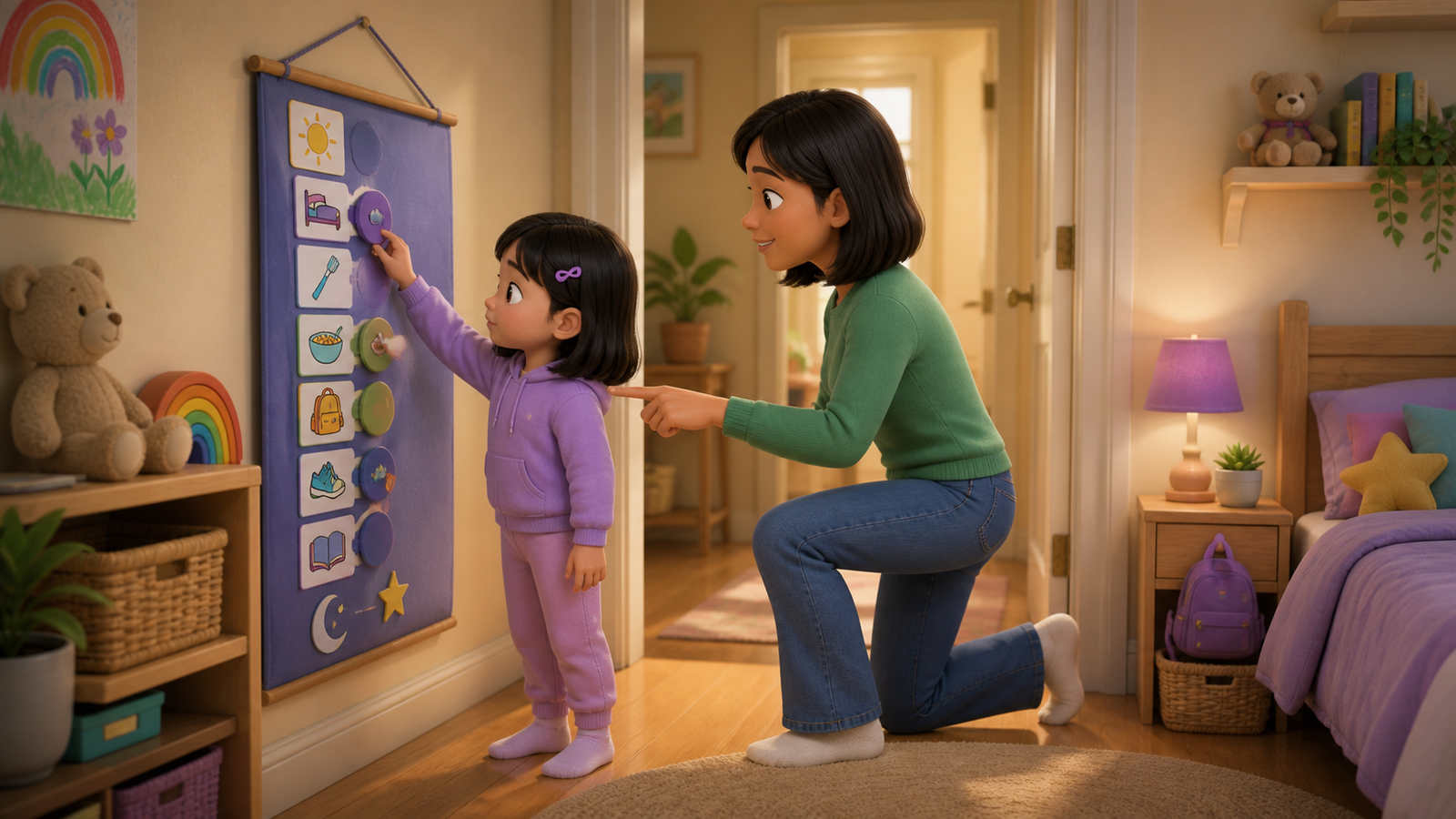
Morning directions often arrive when everyone is already moving. A small picture routine turns a stream of reminders into a visible path. Children can look, choose the next action, and return to the sequence after a distraction.
Keep the first attempt brief and watch how the child responds. Useful guidance is specific, calm, and easy to repeat. Invite children to describe what they notice, and adjust the activity so participation feels possible rather than pressured.
Choose only the steps that matter most
Start with three essentials such as get dressed, eat breakfast, and pack the bag. Add a fourth or fifth picture only after the short version feels familiar. A routine is useful when a child can understand it at a glance.
Keep the first attempt brief and watch how the child responds. Useful guidance is specific, calm, and easy to repeat. Invite children to describe what they notice, and adjust the activity so participation feels possible rather than pressured.
Point first, then give space
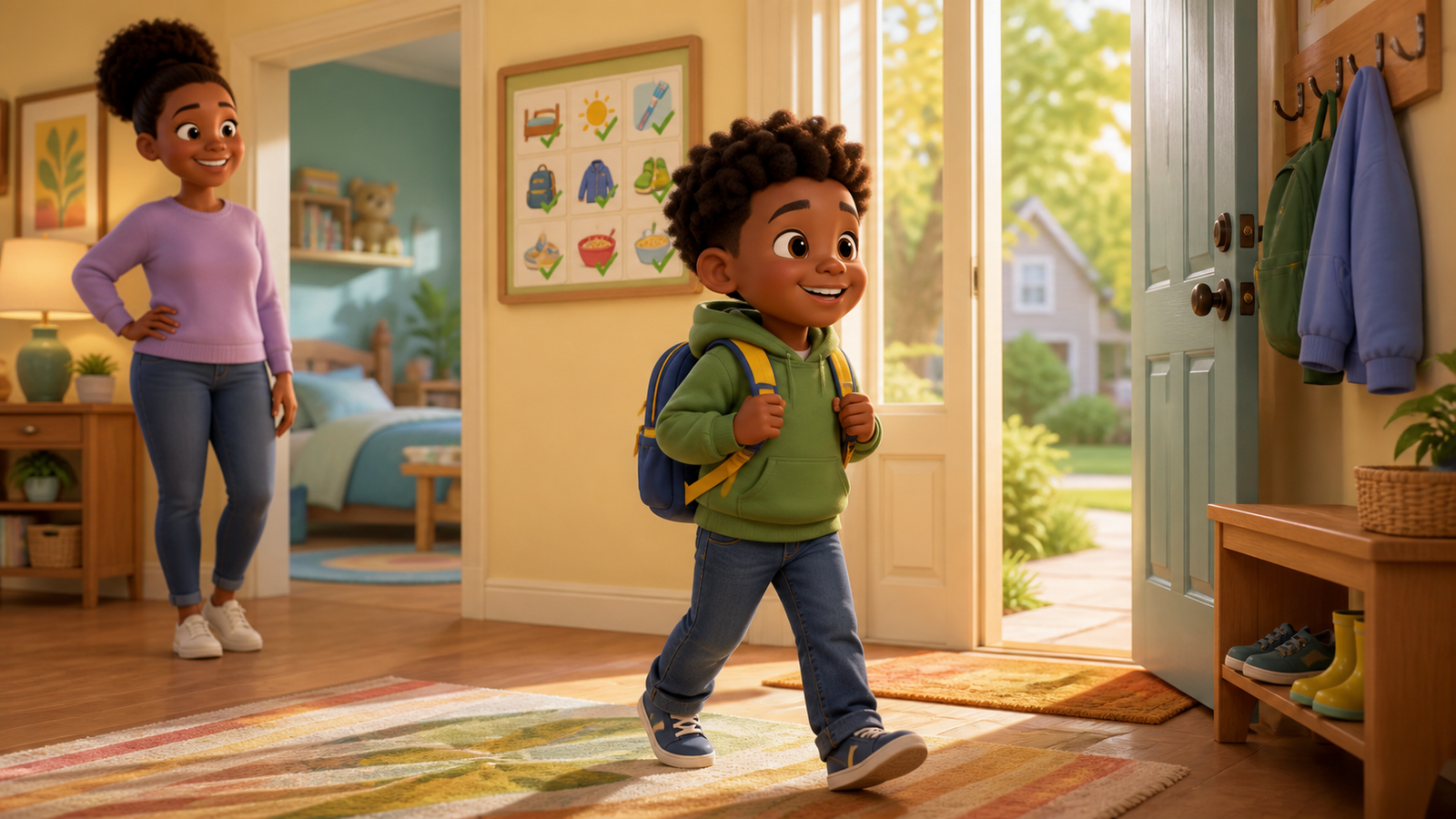
Instead of repeating the whole list, point to the current picture and use one calm sentence: What comes next? Wait long enough for the child to begin. That pause turns the chart into guidance rather than another demand.
Keep the first attempt brief and watch how the child responds. Useful guidance is specific, calm, and easy to repeat. Invite children to describe what they notice, and adjust the activity so participation feels possible rather than pressured.
Make completion visible
Let the child slide a clothespin, move a magnet, or turn a card over. The tiny action makes progress concrete and creates a natural stopping point before the next step.
Keep the first attempt brief and watch how the child responds. Useful guidance is specific, calm, and easy to repeat. Invite children to describe what they notice, and adjust the activity so participation feels possible rather than pressured.
Adjust the routine together
If one step causes a daily snag, ask what would make it easier. The picture may need to move earlier, show a clearer action, or include a small choice. Keep the order steady while changing one detail at a time.
Keep the first attempt brief and watch how the child responds. Useful guidance is specific, calm, and easy to repeat. Invite children to describe what they notice, and adjust the activity so participation feels possible rather than pressured.
Before you begin: set the activity up for success
Choose a time when children have enough energy to participate but are not already rushed, hungry, or upset. Explain that this picture morning routine for kids is a short experiment you will try together. Prepare the space first, remove obvious distractions, and place only the materials needed for the first round within reach. A clear beginning helps children understand what is happening and makes it easier for the adult to stay calm and present.
Show rather than over-explain. Demonstrate the first action, use the same key words the child will hear during the activity, and then hand over the turn. Children ages 5-8 often understand more once their bodies and hands are involved. If they hesitate, offer two concrete choices instead of adding a long string of directions.
Helpful words adults can use
Try language that keeps attention on noticing and effort: Show me what you noticed. Which part would you like to try first? What changed that time? Would you like help or another moment? These prompts support the main goal: a short visual sequence helps children see and complete the next morning step.
Avoid turning the activity into a surprise test. Questions such as Don’t you know this? or Why did you do it that way? can make children defend an answer instead of exploring it. When something does not work, describe what happened in neutral words and invite a new attempt. Adults can model flexibility by changing their own idea, laughing gently at a harmless mistake, and naming what they learned.
What progress can look like
Progress may be quiet. A child might stay with the activity for one more turn, use a clearer word, remember part of the sequence, ask for help, or suggest a variation. Those are useful signs of growing confidence. The emotional path for this activity is overwhelmed to oriented to capable; it does not need to happen in one session.
Notice one specific action instead of offering broad praise. You might say, You looked again before you chose, You slowed your body down, or You told me what you needed. Specific feedback helps children connect their effort with the result. It also gives them language they can use the next time.
Ways to adapt for different children and settings
At home, use familiar objects and let siblings take separate turns before trying together. In a classroom or small group, demonstrate with one child, limit waiting time, and prepare duplicate materials when sharing would distract from the main skill. For a child who prefers watching first, offer an observer role and invite them to join during the second round.
Reduce the number of steps, objects, or choices when the activity feels too busy. Add a visual cue, a stable place to stand or sit, or a short movement break when that supports participation. Increase the challenge by asking the child to explain a choice, design the next round, or teach the routine to an adult. Adaptations should preserve the idea while changing the amount of support.
Common snags and gentle fixes
The child wants to stop
End the round without framing it as failure. Ask whether they would like to watch, choose one final step, or return another day. A short positive ending protects curiosity.
The child rushes
Make the goal smaller and model one slow turn. Use a visual pause such as placing both hands on the table or taking one breath before the next action.
Children disagree
Give each child a turn to explain what they noticed. When two answers are possible, test or compare them instead of asking the adult to declare a winner immediately.
Questions to use after the activity
- What felt easy, and what needed more time?
- What did you notice that you did not expect?
- Which part would you keep the same next time?
- What would you change if you designed the next round?
- How could you explain this activity to someone else?
Choose one or two questions, not the whole list. The conversation should help the child organize the experience, not turn the ending into an interview. The adult’s practical takeaway is simple: use three to five pictures, point to one next step, and notice completion without rushing.
A quick way to begin
- Prepare only the few materials needed for one short round.
- Show the first action and describe it in one sentence.
- Let the child try, then ask what they noticed.
- Repeat or change one detail based on their response.
KidNation takeaway
Use three to five pictures, point to one next step, and notice completion without rushing.
Find more kid-friendly activity guidance at kidnation.com.