
KID-FRIENDLY ACTIVITY GUIDE
A Paper Bag Puppet Conversation for Kids
Simple paper bag puppets give children a playful, low-pressure way to practice taking turns, asking a small question, and listening.
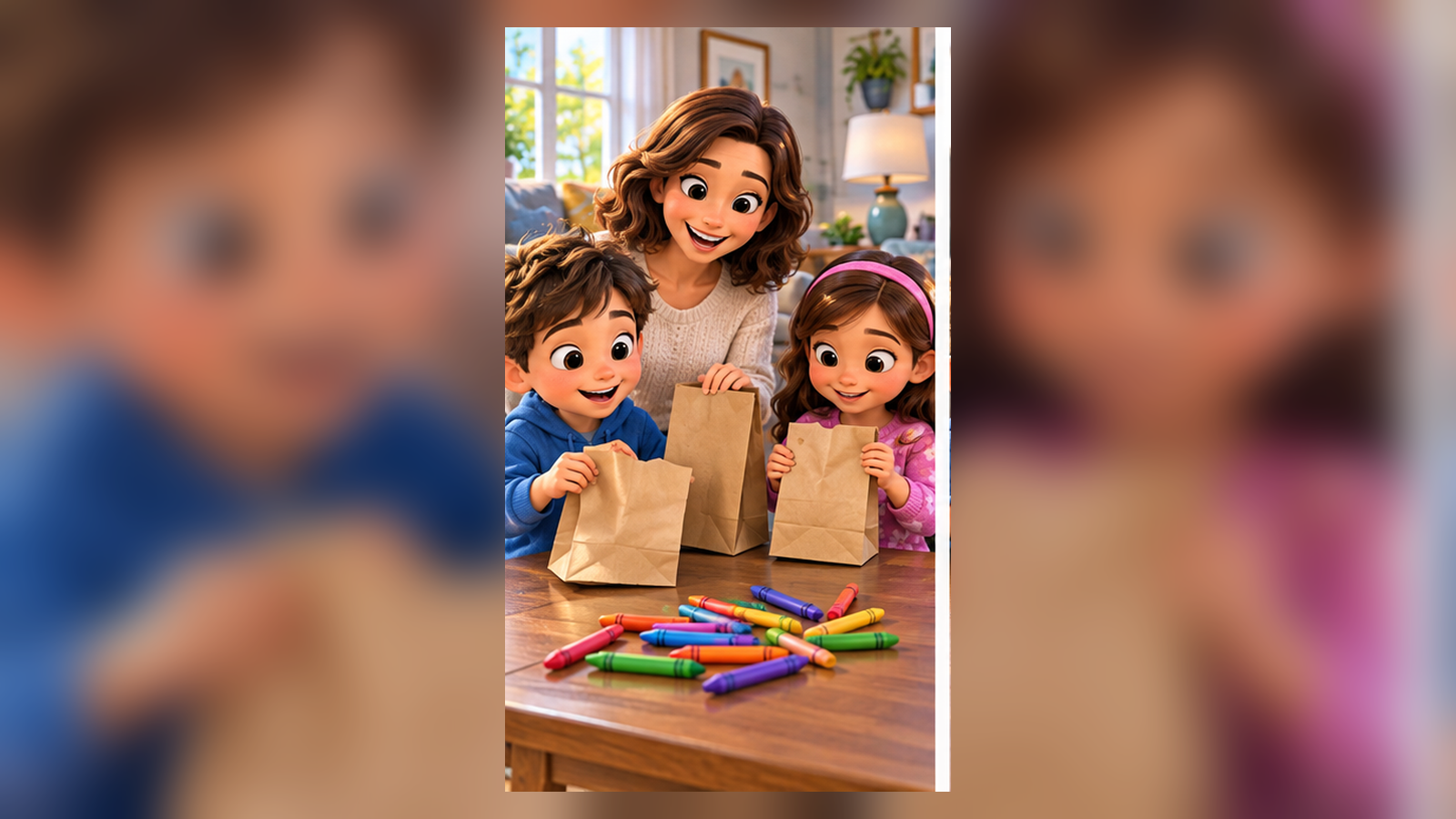
A Paper Bag Puppet Conversation for Kids can turn a familiar part of the day into a short, purposeful activity. The goal is not perfect performance. It is to give children ages 5-8 a clear way to notice, try, talk, and build confidence with adult support.
Prepare large safe supplies
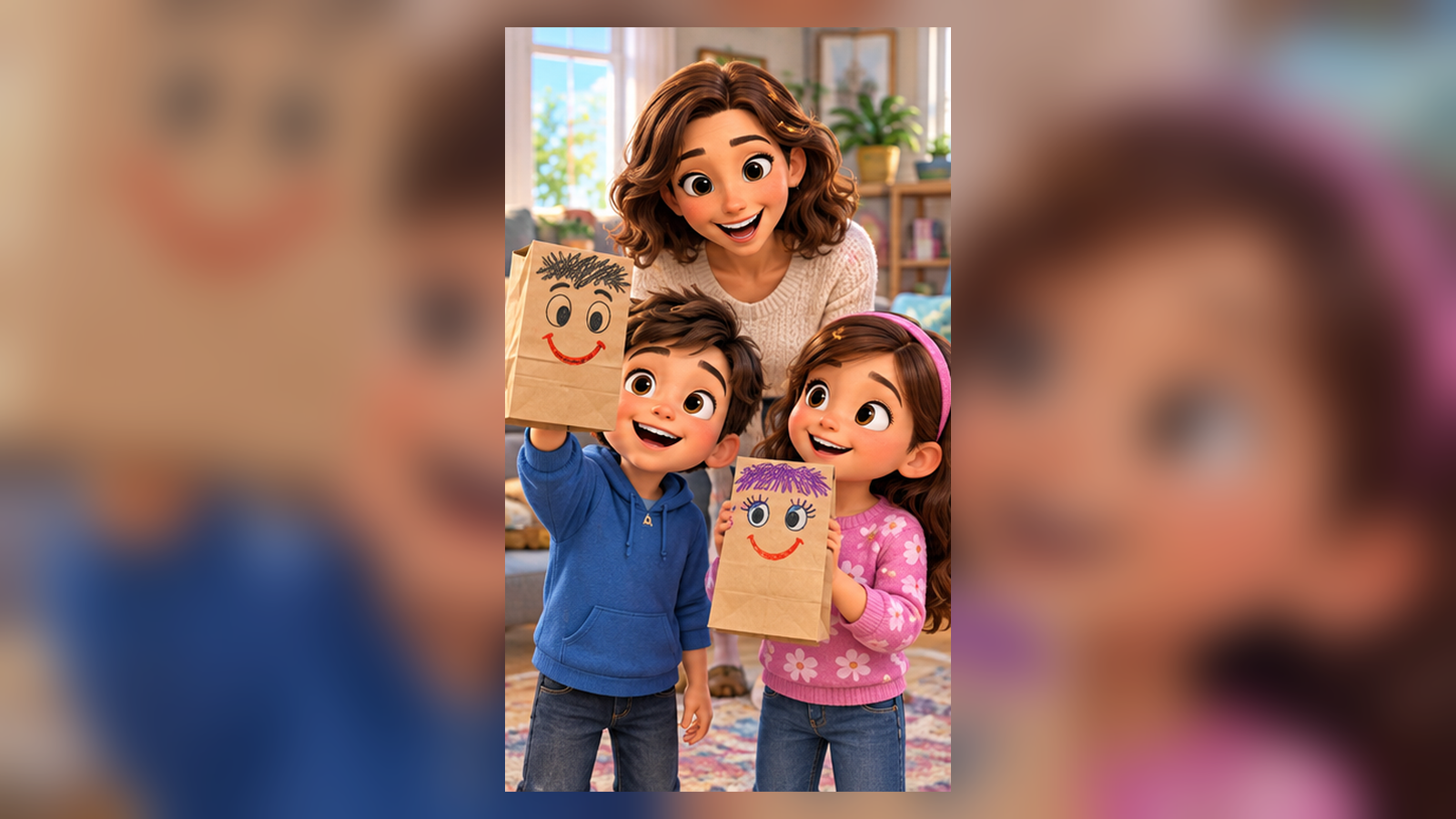
Offer plain paper bags, chunky crayons, broad paper shapes, and a child-safe glue stick. Skip staples, glitter, beads, and small loose decorations.
Create a simple puppet face
Children choose a few large features and decide the puppet's expression. The design does not need to look realistic.
Introduce the puppets
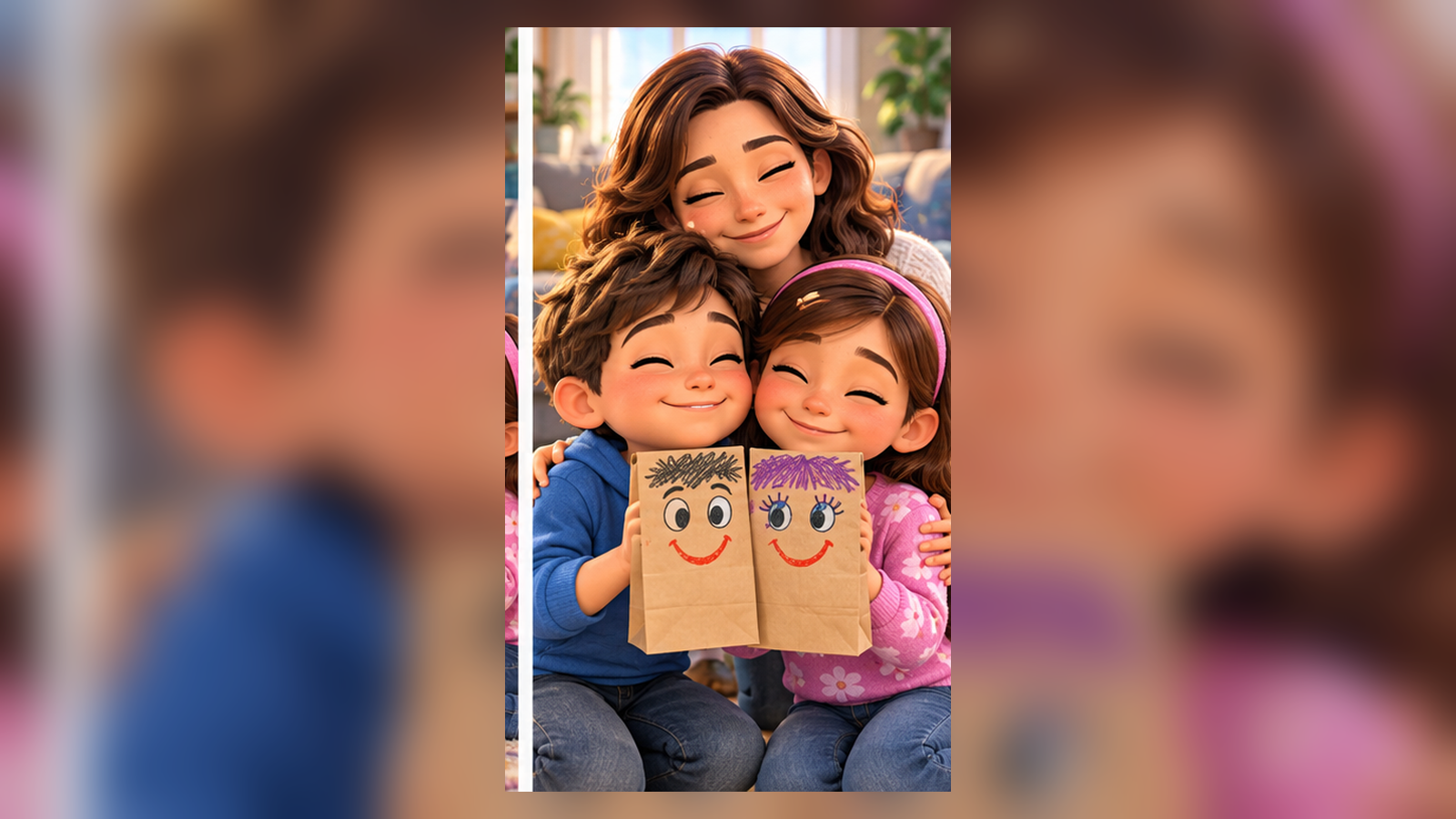
A puppet may share a pretend name or simply wave. Children can speak, gesture, or watch before joining.
Practice one small exchange
Try a low-pressure prompt such as What game does your puppet like? The listener waits, then the roles switch. Passing is always allowed.
End with appreciation
Let the puppets thank each other for listening. Focus on turn-taking and comfort rather than performance.
Before you begin: set the activity up for success
Set out plain paper bags and chunky crayons only for the first version. Children can draw a face directly on each bag, which keeps setup simple and avoids detachable decorations. Explain that the puppet may speak, wave, listen, or pass; there is no requirement to share a personal feeling or perform for the group.
Show rather than over-explain. Demonstrate the first action, use the same key words the child will hear during the activity, and then hand over the turn. Children ages 5-8 often understand more once their bodies and hands are involved. If they hesitate, offer two concrete choices instead of adding a long string of directions.
Helpful words adults can use
Try language that keeps attention on noticing and effort: Show me what you noticed. Which part would you like to try first? What changed that time? Would you like help or another moment? These prompts support the main goal: simple paper bag puppets give children a playful, low-pressure way to practice taking turns, asking a small question, and listening.
Avoid turning the activity into a surprise test. Questions such as Don’t you know this? or Why did you do it that way? can make children defend an answer instead of exploring it. When something does not work, describe what happened in neutral words and invite a new attempt. Adults can model flexibility by changing their own idea, laughing gently at a harmless mistake, and naming what they learned.
What progress can look like
Progress may be quiet. A child might stay with the activity for one more turn, use a clearer word, remember part of the sequence, ask for help, or suggest a variation. Those are useful signs of growing confidence. The emotional path for this activity is shy to expressive to connected; it does not need to happen in one session.
Notice one specific action instead of offering broad praise. You might say, You looked again before you chose, You slowed your body down, or You told me what you needed. Specific feedback helps children connect their effort with the result. It also gives them language they can use the next time.
Ways to adapt for different children and settings
A child who does not want to speak can move the puppet, point to a drawing, or let an adult voice one short line. Offer a choice between a pretend question and an everyday preference question so the exchange remains comfortable.
For two or more children, keep each turn to one question and one response before switching. Extend the activity by drawing a new expression on a separate paper bag, not by adding small craft pieces.
Common snags and gentle fixes
A child does not want to talk
Let the puppet wave, nod, or sit beside the listener. Participation can be nonverbal and may grow over time.
The question feels too personal
Use a pretend prompt such as a favorite imaginary snack or a game the puppet likes. Passing is always accepted.
Both puppets speak at once
Place one crayon between the players as a turn marker. The puppet nearest the crayon speaks first, then the marker moves.
Questions to use after the activity
- What felt easy, and what needed more time?
- What did you notice that you did not expect?
- Which part would you keep the same next time?
- What would you change if you designed the next round?
- How could you explain this activity to someone else?
Choose one or two questions, not the whole list. The conversation should help the child organize the experience, not turn the ending into an interview. The adult’s practical takeaway is simple: use broad paper pieces and child-safe adhesive, avoid small decorations, and always let children pass on personal questions.
A quick way to begin
- Prepare only the few materials needed for one short round.
- Show the first action and describe it in one sentence.
- Let the child try, then ask what they noticed.
- Repeat or change one detail based on their response.
KidNation takeaway
Use broad paper pieces and child-safe adhesive, avoid small decorations, and always let children pass on personal questions.
Find more kid-friendly activity guidance at kidnation.com.